Elevating Cooperation and Participation through Well-Integrated Virtual Presence Technologies in Conference Rooms
Wiki Article
Telepresence systems have changed the way businesses manage discussions and group activities. Advanced platforms enable participants to communicate effectively across different locations, overcoming spatial limitations that once limited joint work. Superior sound and video systems ensures that discussions are not only perceived but also graphically represented, which helps staff sustain attention and engagement. By integrating these systems into conference rooms, businesses can simulate physical meetings, creating remote collaboration more effective. Additionally, solutions frequently include capabilities such as document sharing, mark-up, and virtual whiteboards, which boost the capacity to work on joint initiatives in real-time.
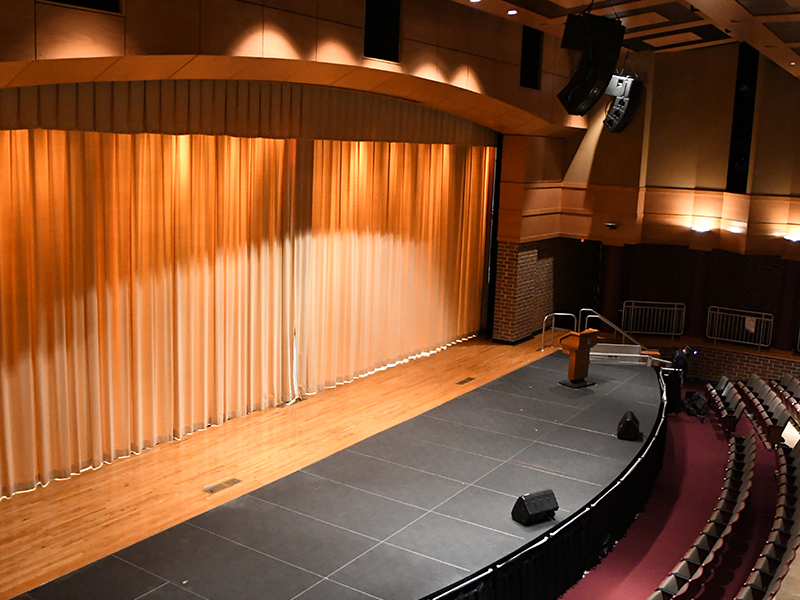
The layout of a meeting space plays a important part in the success of virtual platforms. Proper visual setup, sound quality, and seating arrangements contribute to a more immersive virtual experience. For illustration, balanced illumination reduces visual distortion and improves camera clarity, while audio optimization reduce echoing and interference, improving audio quality. user-friendly seats and optimized room setups allow team members to stay focused during longer sessions. These environmental considerations, combined with modern systems, establish a environment that promotes active participation and continuous attention.
Effective solutions require user-friendly interfaces and simple navigation. When users can smoothly manage calls, change presentation modes, or share content without issues, discussions advance more efficiently. Training and support are also critical, as even the most modern systems will underperform if try these out participants are unsure about their function. Businesses often develop standard operating procedures for virtual sessions, outlining recommended methods for starting meetings, presenting materials, and encouraging input from all participants. These procedures support effective collaboration and prevent delays during collaborative sessions.
Synchronization with other collaboration tools improves remote trade show exhibit audiovideo design platforms in conference rooms. For instance, synchronizing telepresence platforms with workflow platforms, cloud storage, or communication applications allows groups to access resources quickly and update information in real time. Team tools like joint work areas, instant surveys, and chat functions promote full participation, guaranteeing that offsite and on-site attendees participate fully in meetings. These connections improve productivity, minimize delays, and ensure coordination among participants, no matter their site.
Ultimately, organizations that adopt effective platforms obtain tangible benefits in both cooperation and participation. Staff experience greater contentment, faster decision-making, and stronger deliverables when communication is effective and inclusive. With a combination of advanced technology, strategic room layouts, intuitive user experiences, and strategic integrations, organizations build an environment where attendees feel connected, aware, and ready to engage. Over time, these advancements produce better collaboration, more innovative solutions, and a more efficient workplace overall.