Critical Considerations for High-Quality Outdoor Digital Display Implementation
Wiki Article
Outdoor networked signage has increasingly emerged as a commonly adopted communication platform for use by organizations, civic groups, and institutions focused on maximum visibility with live information delivery. In contrast to interior signage units, exterior electronic screens are designed to perform consistently through dynamic climatic conditions and ensuring high-quality image output. A effective implementation is based upon planning, technical alignment, as well as a clear assessment of site-specific constraints. Aspects such as location analysis, climatic impact, as well as technical preparedness all influence system performance. Considering these critical factors in advance helps limit upkeep concerns and also ensures long-term operational durability.
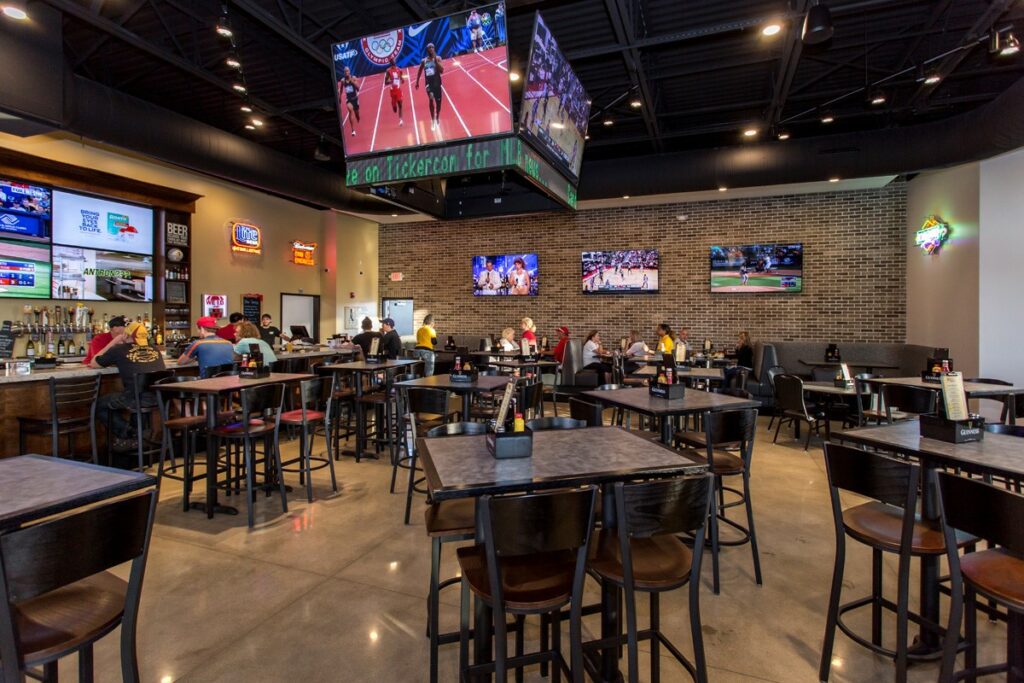
A key considerations involved in outdoor electronic signage setup continues to be placement planning and audience visibility. Strategic location of the digital display should align with foot movement, automobile driver visibility, plus typical viewing distance range. Screen dimensions, pixel density, and brightness specifications need to align with the immediate location to help ensure messages stays readable under full sunlight and nighttime situations. Light glare reduction, audience viewing lines of sight, as well as nearby structures also influence viewer engagement. Effective location preparation helps achieve strong communication distribution while also supporting conformity with applicable city land-use as well as outdoor signage codes.
Outdoor defense continues to be another critical aspect of outdoor digital signage installations. Displays must remain fully installed inside durable cases built specifically to handle precipitation, particulates, dampness, as well as temperature extremes. Adequate dust and water rating classifications, cooling features, along with cooling regulation systems this content are designed to limit heat buildup along with system wear. Mounting strength remains also important, as support equipment needs to withstand environmental pressures along with motion over extended durations. All of these safeguarding measures increase system useful life while minimize the risk of system interruptions.
Power-related plus connectivity systems perform a critical purpose in supporting dependable electronic display performance. Outdoor deployments demand secure electrical supply, electrical grounding designs, along with power surge defense so as to shield from power fluctuations. Connectivity reliability, whether through hardwired or wireless connections, should enable continuous information transfer to support message refreshes along with software tracking. Cable management as well as protective installation should comply with established guidelines to safeguard against Click Here external degradation plus environmental exposure. Reliable system design preparation ensures uninterrupted information distribution and also effective system control.
Media development plus service scheduling support any external networked advertising implementation. Content should be carefully developed for quick interpretation, with the use of suitable text dimensions, visibility contrast, and motion management designed for audience. Scheduled inspection plans, such as platform upgrades, hardware inspections, plus surface cleaning, work to preserve visual performance and network stability. System oversight systems can detect problems early and facilitate early service actions. When system implementation and visual content planning align, outdoor networked display functions as a plus high-impact information solution.